The rivalry between Samsung and Apple is the stuff of legend in the tech industry. Over the years, we have seen some of the most iconic, hilarious, and sometimes downright brutal advertisements from both sides. From the famous “Wallhuggers” airport spot to the endless lines at Apple Stores, Samsung has often used clever marketing to position its Smart Phone lineup as the superior, more practical choice. However, the tables seem to have turned with the recent promotional campaign for the Galaxy S26 Ultra.
Samsung Brazil recently released an advertisement showcasing the new “Privacy Display” feature on the Galaxy S26 Ultra. While the feature itself is a brilliant leap forward in mobile security, the ad campaign has sparked a massive debate among tech enthusiasts. Many observers are pointing out eerie similarities between this new spot and an advertisement Apple ran in July 2024. Is it a case of great minds thinking alike, or did Samsung borrow a bit too much from its biggest competitor? Let’s dive into the details of this controversy and see what this new Smart Phone innovation is all about.
The Feature: Why the Galaxy S26 Ultra Privacy Display is a Game Changer
Before we get into the “copycat” drama, let’s talk about the innovation. The Privacy Display feature on the Galaxy S26 Ultra is not just marketing fluff; it is a genuine advancement in user privacy. In an era where we handle banking, passwords, and sensitive emails on our devices in public spaces, the threat of “shoulder surfing”—where someone glances at your screen to steal information—is very real.
How the Privacy Display Works:
- Selective Screen Obscurity: Users can choose to cover the entire screen or specific areas.
- Targeted Protection: You can set the privacy filter to hide only notification panels or password input fields while keeping the rest of the display clear.
- Security Confidence: It provides peace of mind when typing sensitive credentials in crowded areas like cafes, airports, or public transport.
The Controversy: Copying Apple or a Coincidence?
The ad in question from Samsung Brazil depicts a man walking through a bustling city, pursued by giant, intrusive eyeballs trying to peek at his screen. The visual metaphor for “being watched” is clever, but the execution feels strikingly familiar.
The Apple Connection
Back in July 2024, Apple launched a campaign promoting Safari’s privacy features. In that ad, Android users were depicted browsing the web while being spied on by mechanical, bird-like flying cameras.
- The Similarities: Both ads utilize a high-pressure urban setting, both feature an external entity spying on the user, and both conclude with the spying entity being destroyed or “blowing up” the moment the user enables the privacy feature.
- The Debate: While advertising agencies often draw from similar creative pools, the structural parallels between these two spots are hard to ignore. Whether it is a direct nod to Apple or a creative oversight, it has definitely got the Smart Phone community talking.
Why Marketing Matters for Your Next Smart Phone
Marketing is often the deciding factor in why someone chooses a particular Smart Phone. When Samsung focuses on the Galaxy S26 Ultra’s Privacy Display, they aren’t just selling a piece of hardware; they are selling security. In the world of technology, user trust is the most valuable currency.
Is Privacy the New Performance?
For years, the Smart Phone war was fought on benchmarks: who has the fastest chip, the best camera, or the brightest screen? Now, privacy has moved to the forefront. Features like Samsung’s Privacy Display indicate that manufacturers realize consumers are tired of digital intrusion. Whether the ad style was borrowed or not, the message is clear: your device is now a fortress.
The Evolution of Smartphone Ads: From Battery Swaps to Privacy Toggles
If we look back at the history of Samsung’s advertising, it has always been about highlighting “limitations” in the competition. The “Wallhuggers” ad was brilliant because it addressed a real-world pain point: the dying battery. Today, the pain point has shifted from hardware limitations to data privacy.
The Battery Replacement Shift
The shift in advertising mirrors the shift in technology. With the EU’s new regulations coming into effect by February 2027, requiring easily replaceable batteries in phones, we might see the return of ads that focus on repairability. Samsung is historically well-positioned for this, provided they design their future flagship devices to meet the 80% capacity retention standards required for sealed batteries.
Staying Secure in a Public World
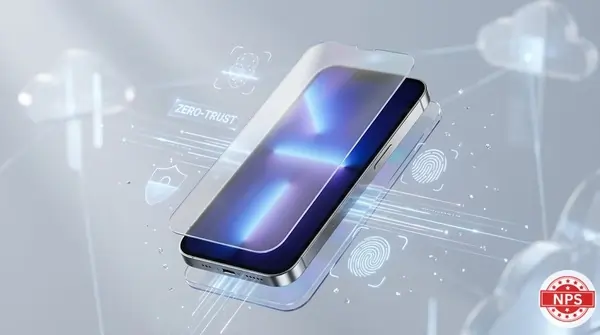
The Galaxy S26 Ultra’s Privacy Display is a reminder that you don’t always need a physical screen protector to keep your info safe. Software-based privacy, like what we see on this Smart Phone, allows for a level of flexibility that hardware can’t match.
Tips to Protect Your Smart Phone Privacy:
- Always Enable Biometrics: Never rely on simple passcodes alone.
- Use Privacy Toggles: Make use of built-in features like the Galaxy S26 Ultra’s Privacy Display.
- Check App Permissions: Regularly audit which apps have access to your screen or camera.
- Avoid Public Wi-Fi: Always pair your privacy features with a secure VPN when out in public.
The Future of Mobile Advertising
Will this controversy hurt Samsung? Unlikely. If anything, it keeps the brand at the center of the conversation. The tech world thrives on these “copycat” narratives, which often generate more buzz than a perfectly original ad ever could. As the Smart Phone market matures, we can expect companies to continue playing off each other’s ideas, leading to an environment where features like Privacy Display become standard across all brands.
Conclusion: A Step Forward for User Security
Regardless of where the inspiration came from, Samsung’s move to normalize privacy features in its flagship ads is a win for the consumer. As we continue to carry our entire digital lives in our pockets, features that protect our personal space are becoming just as important as a high-resolution camera or a fast processor.
If you are currently in the market for a new Smart Phone, keep an eye on how these software-based security features evolve. Samsung has set a high bar with the S26 Ultra, and it’s likely that others will soon follow suit. Don’t let the ad controversy distract you from the fact that your digital privacy is finally getting the attention it deserves. What are your thoughts? Is this a clever marketing tactic or just another case of tech companies borrowing from the same playbook?
Frequently Asked Questions (FAQs)
Q1: What is the Privacy Display feature on the Galaxy S26 Ultra?
It is a software-based security feature that restricts the viewing angle of your screen, ensuring that only you can see what is displayed, thereby preventing shoulder surfing in public places.
Q2: Is the Privacy Display feature available on all Android phones?
Currently, it is a proprietary feature on high-end Samsung devices. Other manufacturers offer similar screen-dimming apps, but the integration in Samsung’s UI is much more seamless.
Q3: Are the Samsung and Apple ads actually similar?
They share similar visual metaphors (spying entities) and narrative structures (the entity blowing up at the end), which has led many to label the Samsung ad as a copycat.
Q4: Does the Galaxy S26 Ultra Privacy Display affect screen quality?
When toggled on, it may slightly reduce the viewing angle and brightness for those looking from the side, but it does not degrade the quality for the primary user.
Q5: Should I buy the Galaxy S26 Ultra specifically for privacy?
While the Privacy Display is excellent, you should evaluate the entire package—camera, performance, and battery—before making a purchase decision. It is a great bonus feature, but it shouldn’t be the only reason to buy.
Stay tuned for more tech insights, Smart Phone reviews, and the latest industry controversies. If you enjoyed this breakdown, feel free to comment below and join the discussion!