The global Smart Phone market is witnessing a massive strategic evolution. For years, the industry followed a predictable rhythm: a singular, grand event where a brand unveiled its entire lineup of devices. However, recent reports suggest that Apple is breaking this tradition by splitting its release schedules. Now, major Android manufacturers are reportedly looking to follow suit, potentially changing how we shop for our next Smart Phone.
This shift isn’t just about changing dates; it’s about optimizing supply chains, managing component turbulence, and maintaining consumer interest throughout the calendar year. As Apple moves toward a fragmented launch model, the Android camp—specifically Chinese giants like Xiaomi, Oppo, and Vivo—is closely watching to see if this “new normal” can be adapted to secure a competitive edge.
Understanding Apple’s New iPhone Release Schedule
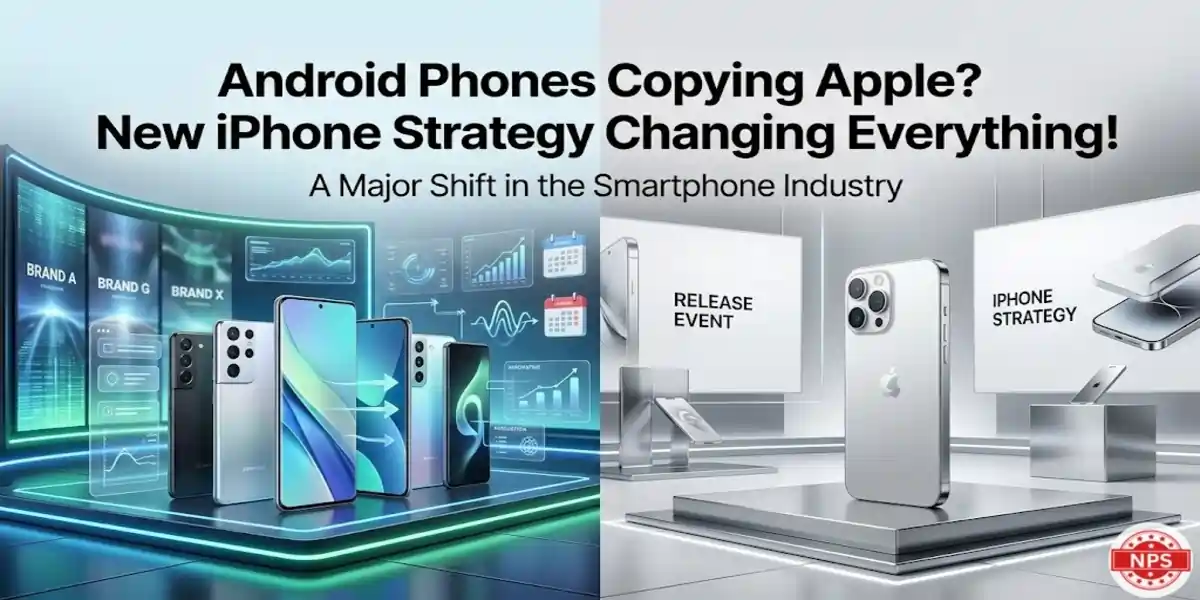
The industry buzz revolves around Apple’s decision to bifurcate its launch timeline. Instead of a single September event, reports indicate that Apple will now roll out its flagship Pro models and innovative foldables in the fall, while the entry-level or more accessible models will arrive early the following year.
- Fall Launch (September): This window will likely be reserved for high-end heavyweights like the iPhone 18 Pro, iPhone 18 Pro Max, and the highly anticipated foldable iPhone Ultra.
- Early Next Year Launch: The base model iPhone 18, the iPhone Air 2, and the budget-friendly iPhone 18e are expected to debut in the first quarter of the subsequent year.
This strategic split serves two primary purposes: balancing the annual sales curve and easing the immense pressure on global supply chains, which have been struggling with memory component shortages and logistics bottlenecks.
Why Android Manufacturers Are Considering a Change
For a long time, the Smart Phone market saw Android brands rushing to release their devices either right before or immediately after Apple. However, the realization that they can dictate their own narrative is finally sinking in. The report suggests that while brands like Samsung and Google may remain steadfast in their current release patterns, the Chinese Smart Phone ecosystem is seriously evaluating a split release schedule.
1. Sustaining Year-Round Competition
By matching the release cadence of Apple, Android manufacturers can ensure they always have a “fresh” device to compare against the latest iPhone. If Apple launches a Pro model in September, Android brands want a premium device in the market at that exact moment. When Apple launches an affordable Smart Phone months later, the Android camp wants its mid-range powerhouse to be front and center.
2. Supply Chain Optimization
The global electronics industry is still recovering from years of supply chain instability. Launching a dozen devices simultaneously puts an impossible strain on factories. By staggering the release, manufacturers can better manage inventory, optimize shipping routes, and ensure that component suppliers can keep up with demand without succumbing to quality-control issues.
Will This Shift Benefit the Consumer?
When we talk about the Smart Phone industry, the end consumer is usually the one who stands to gain from increased competition. A split release schedule means there is never a “dead zone” in the market. In the past, consumers often felt that devices launched in the summer were “old news” by the time the holiday shopping season arrived. A staggered release strategy keeps the market vibrant.
- Improved Quality Control: Brands have more time to fine-tune software and hardware before the initial surge of sales.
- Persistent Innovation: Manufacturers are forced to keep their R&D pipelines active throughout the year rather than dumping all their resources into a single event.
- Better Deals: Year-round competition often leads to more aggressive pricing strategies as brands battle for attention in every quarter.
Is It Just Copying Apple, or Is It Evolution?
Critics might argue that Android brands are simply mimicking Apple again, but that assessment ignores the complexity of the modern Smart Phone supply chain. It is actually a mature realization that the traditional “one-shot” launch event is becoming an obsolete practice in a globalized, highly competitive economy.
Many Android Smart Phone makers, particularly those like Honor and Xiaomi, already use staggered launches for their foldables and global iterations. Formalizing this into a split release schedule is merely an evolution of a tactic that is already proving successful in specific regional markets.
What Does This Mean for the Future of the Smart Phone Market?
If the Android camp fully adopts this split strategy, we are looking at a market that is constantly evolving. In 2026 and beyond, your next Smart Phone purchase decision won’t be limited to a “launch season.” Instead, every few months, a new flagship could hit the shelves, forcing competitors to adjust their prices and feature sets accordingly.
For the Smart Phone enthusiast, this is a golden era. We will see more experimentation, more specialized launches, and a market that is significantly less seasonal. Whether it is an affordable 5G device or a luxury foldable, the variety available to the consumer will only increase.
Conclusion: A New Rhythm for Technology
The decision to split release schedules is a sign of a mature Smart Phone industry. While Apple may have initiated this change to tackle supply chain constraints and sales cycles, it is a brilliant move for the entire mobile ecosystem. For Android manufacturers, this is an opportunity to break free from Apple’s shadow and provide consistent value to users throughout the year.
As we look toward late 2026, keep an eye on how these companies adjust their roadmaps. We expect to see more mid-cycle refreshes and strategic launches that challenge the traditional dominance of autumn events. The industry is changing, and your next Smart Phone will likely be part of this dynamic new rhythm.
Frequently Asked Questions (FAQs)
1. Why are phone companies moving away from single-event launches?
Companies are moving toward split launches to manage supply chain strain and maintain consumer interest throughout the entire calendar year, rather than just the holiday season.
2. Will this change the price of the average Smart Phone?
Increased competition throughout the year may lead to better pricing, as brands are forced to stay competitive during different launch windows rather than just once a year.
3. Which Android brands are likely to follow Apple’s lead?
Reports suggest that Chinese manufacturers like Xiaomi, Oppo, Vivo, and Honor are the most likely to adopt a split release strategy for their global portfolios.
4. Is this strategy bad for Android innovation?
On the contrary, it may boost innovation. Brands will need to consistently offer compelling hardware to stay relevant, preventing the “stagnation” that sometimes occurs between annual launch cycles.
5. When should I expect the next big Smart Phone launches?
With a split schedule, expect major announcements to occur twice a year: once in the autumn for premium flagships and once in the spring for mainstream and accessible devices.