The Indian Automobile industry is going through an extraordinary phase of transformation. While car manufacturers initially split into two distinct paths—traditional internal combustion engines (ICE) and full battery electric vehicles (EVs)—smart consumers have voiced a clear preference for a middle ground. Buyers across the country want the incredible fuel efficiency and lower emissions of an electric powertrain without the persistent range anxiety associated with charging infrastructure. Recognizing this shifting tide, the indigenous automotive giant Mahindra & Mahindra is preparing to introduce an advanced hybrid powertrain for its most popular high-volume flagships.
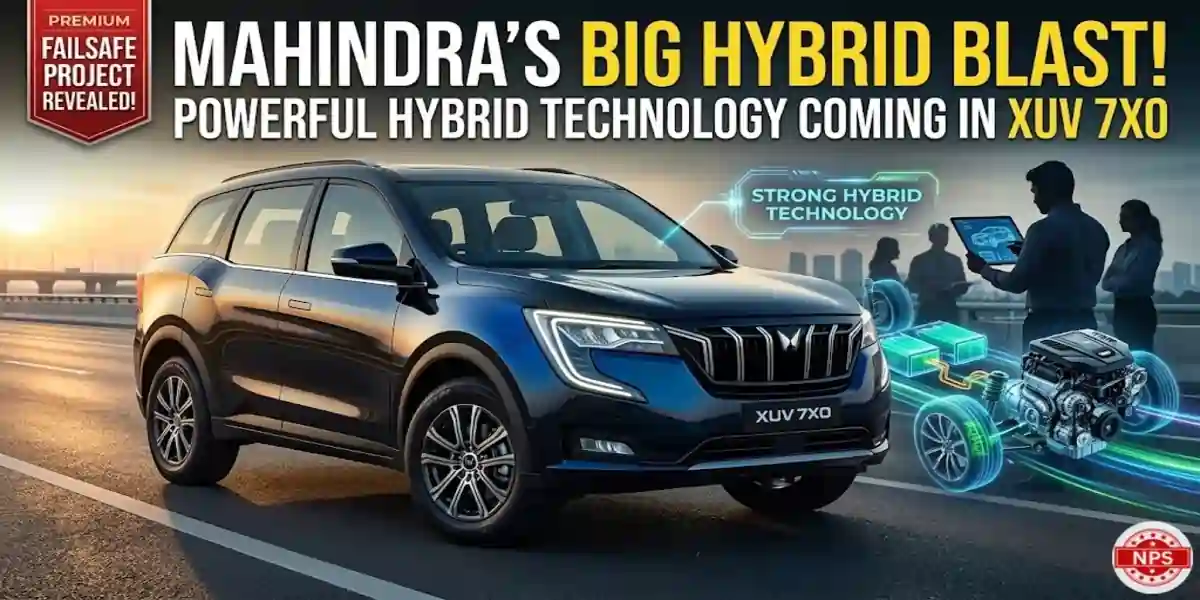
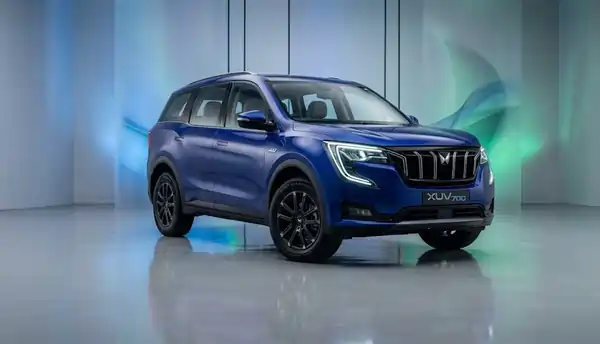
Earlier this year, the domestic automaker refreshed its massive market portfolio by launching the updated XUV 7XO, featuring revised exterior styling cues, a more premium feature list, and re-engineered suspension systems. The vehicle remains a primary volume driver for the company’s retail network. However, behind closed doors, a major technological shift is taking place. Mahindra is planning to enter the highly competitive strong hybrid vehicle ecosystem with two highly anticipated projects, internally codenamed W613 and W623, promising to disrupt the premium SUV segment completely.
Deconstructing Mahindra’s Upcoming Hybrid Programs: W613 and W623
According to early supply chain updates from corporate headquarters, Mahindra is taking a comprehensive approach to hybridization. Rather than limiting the alternative energy technology to a single vehicle class, the brand is designing systems for both its established ICE-derived models and its future born-electric platforms. This parallel development strategy ensures that the company can protect its market share regardless of how quickly consumers shift away from pure diesel or petrol engines.
The internal project code W613 represents the highly anticipated strong hybrid variant of the flagship Mahindra XUV 7XO. Industry insiders expect this model to make its official commercial debut sometime in 2026 or early 2027. On the other hand, the project code W623 stands for an advanced range-extender hybrid powertrain specifically designed for the upcoming INGLO-platform based XEV 9e coupe SUV. The range-extender version is slated for a release around 2028. This dual-track approach proves that the Indian Automobile titan is engineering highly flexible answers for a volatile transition era.
How the Advanced Series-Parallel Hybrid System Works
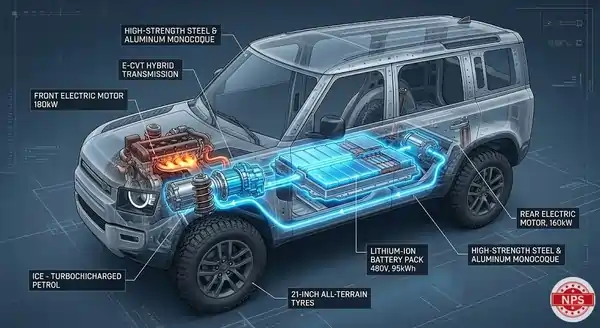
While exact performance specifications of the W613 internal program remain highly confidential, structural indicators confirm that the upcoming XUV 7XO hybrid will utilize a monocoque frame architecture. It will implement a sophisticated series-parallel hybrid configuration, closely mirroring the mechanical layouts successfully deployed by market rivals like the Maruti Suzuki Grand Vitara and the Toyota Urban Cruiser Hyryder. This setup requires an intricate integration of a conventional petrol engine, a high-output electric motor-generator unit, and a dedicated lithium-ion battery pack supported by automated self-charging capabilities.
1. Pure Electric Mode (Low-Speed Commuting)
During low-speed city driving or stop-and-go traffic situations, the vehicle operates strictly as a zero-emission electric car. The high-capacity battery pack sends direct current to the powerful electric motor, which drives the front wheels silently. Throughout this low-stress cycle, the internal combustion petrol engine remains completely turned off, eliminating fuel consumption during the most inefficient driving scenarios.
2. Series Hybrid Mode (On-the-Go Recharging)
When the onboard battery pack falls below a specific state-of-charge threshold, the vehicle’s central computer triggers the petrol engine to life. However, instead of driving the wheels directly, the engine acts as an onboard power plant, spinning an integrated generator. This generator produces electricity to charge the battery or feed power directly to the electric drive motor, keeping the ride seamless and efficient.
3. Parallel Hybrid Mode (High-Speed Cruising & Maximum Power)
During high-speed highway cruising or hard acceleration for quick overtaking maneuvers, the system engages the parallel mechanical link. The petrol engine drives the driven wheels directly through a dedicated transmission unit, while the electric motor simultaneously injects massive torque bursts. Working together, both power sources provide maximum throttle response while optimizing thermal efficiency.
The Crucial Role of Regenerative Braking in Self-Charging Tech
A cornerstone of this upcoming Automobile development is its self-charging attribute, which frees the driver from ever needing to plug the vehicle into an external wall socket. The system achieves this independent charging cycle through sophisticated kinetic energy recovery systems, commonly referred to as regenerative braking.
Whenever the driver lifts their foot off the accelerator pedal or presses the brake pedal down, the central electronic control unit reverses the polarity of the electric drive motor. Instead of drawing energy to turn the wheels, the motor acts as a high-efficiency generator, creating mechanical resistance that slows down the SUV. This resistance converts the vehicle’s forward kinetic energy back into usable electricity, which is routed directly into the central battery pack. This recovered energy is stored and reused for the next electric driving cycle, making city stop-and-go commutes incredibly efficient.
Market Positioning and Competitors
When the production version of the W613 project arrives in showrooms, it will enter a market segment where fuel efficiency dictates long-term commercial success. Large, three-row family SUVs are traditionally criticized for poor fuel economy numbers due to their heavy curb weight and large engine displacements. By introducing an advanced series-parallel layout to the XUV 7XO line, Mahindra can offer diesel-like highway range and torque alongside small hatchback-like city fuel economy numbers.
This strategic move will allow Mahindra to directly challenge entrenched mid-size hybrid vehicles while undercutting the running costs of traditional premium segment alternatives. Furthermore, it safeguards the product line against tightening corporate average fuel efficiency (CAFE) standards and increasingly strict urban emission laws across major Indian metropolitan areas. This proactive engineering approach prepares Mahindra’s product portfolio for future regulatory updates.
Anticipated Specifications of the Future XUV 7XO Hybrid
While finalized parameters will only be confirmed closer to the official launch date, advanced industry projections provide a reliable look at the hardware configuration.
- The Platform: A reinforced, high-tensile strength monocoque frame modified to house a high-voltage battery pack securely under the floorboards without sacrificing cabin space.
- The Powertrain: A refined, naturally aspirated or turbocharged petrol engine paired with an advanced electronic continuously variable transmission (e-CVT) handling power distribution.
- The Cabin: An updated digital cockpit display featuring dedicated hybrid energy flow animations, system status readouts, and real-time fuel efficiency data trackers.
Conclusion: A Balanced Step Toward Green Mobility
In conclusion, Mahindra’s upcoming foray into the strong hybrid vehicle space with the W613 and W623 internal programs represents a practical step for the Indian Automobile sector. By engineering self-charging series-parallel systems for mass-market flagships like the XUV 7XO, the company is bridging the gap between historical fuel types and a clean electric future. This approach ensures that buyers can access eco-friendly mobility solutions without changing their driving habits or relying heavily on charging grids.
As development progresses toward the 2027 target launch window, this calculated product strategy will likely solidify Mahindra’s reputation as an adaptable, forward-thinking innovator. For car buyers waiting for a reliable, ultra-efficient premium family cruiser, the upcoming hybrid XUV 7XO promises to be worth the wait.
What are your thoughts on Mahindra’s upcoming shift toward strong hybrid drivetrains? Would you choose a self-charging hybrid XUV 7XO over a pure electric SUV? Let us know your perspective in the comment section below, and share this breaking automotive update with your fellow car enthusiasts!
Frequently Asked Questions (FAQs)
Q1: What is the difference between a mild hybrid and a strong hybrid system?
A mild hybrid system merely assists the engine with a small electric starter-generator during take-off, but cannot drive the vehicle on pure electricity. A strong hybrid system features a high-output motor and a larger battery, allowing the vehicle to drive completely on electric power at low speeds.
Q2: Do I need to plug the upcoming Mahindra XUV 7XO hybrid into an external charger?
No, the W613 project uses an automated self-charging series-parallel system. The battery is automatically recharged using the petrol engine and regenerative braking systems while driving.
Q3: How does strong hybrid technology benefit the Indian consumer?
It provides excellent fuel efficiency in heavy city traffic, drastically lowers monthly fuel bills, and eliminates range anxiety since the vehicle runs normally on petrol when the battery is low.
Q4: Will the hybrid battery pack reduce the boot space or third-row seating comfort?
Mahindra is developing this setup on a modified monocoque platform, allowing engineers to place the lithium-ion battery pack low under the floor, protecting cabin space and seating arrangements.
Q5: When can we expect the official price reveal and showroom launch?
The strong hybrid variant of the XUV 7XO is expected to make its official commercial debut around late 2026 or early 2027, with official test drives commencing around that period.